One of the best parts of BPS2026 has been meeting so many wonderful scientists and hearing them talk passionately about their work. On Monday evening, though, I almost missed one of the highlights of the meeting. My first instinct was to grab takeout and eat quietly in my hotel room, but I decided to fight that familiar introvert impulse and join a dinner meet-up instead. By the time I reached the lobby, a group was already forming, ready to head out. After a round of quick introductions and debate over dinner spots, we followed a local’s recommendation and started walking.
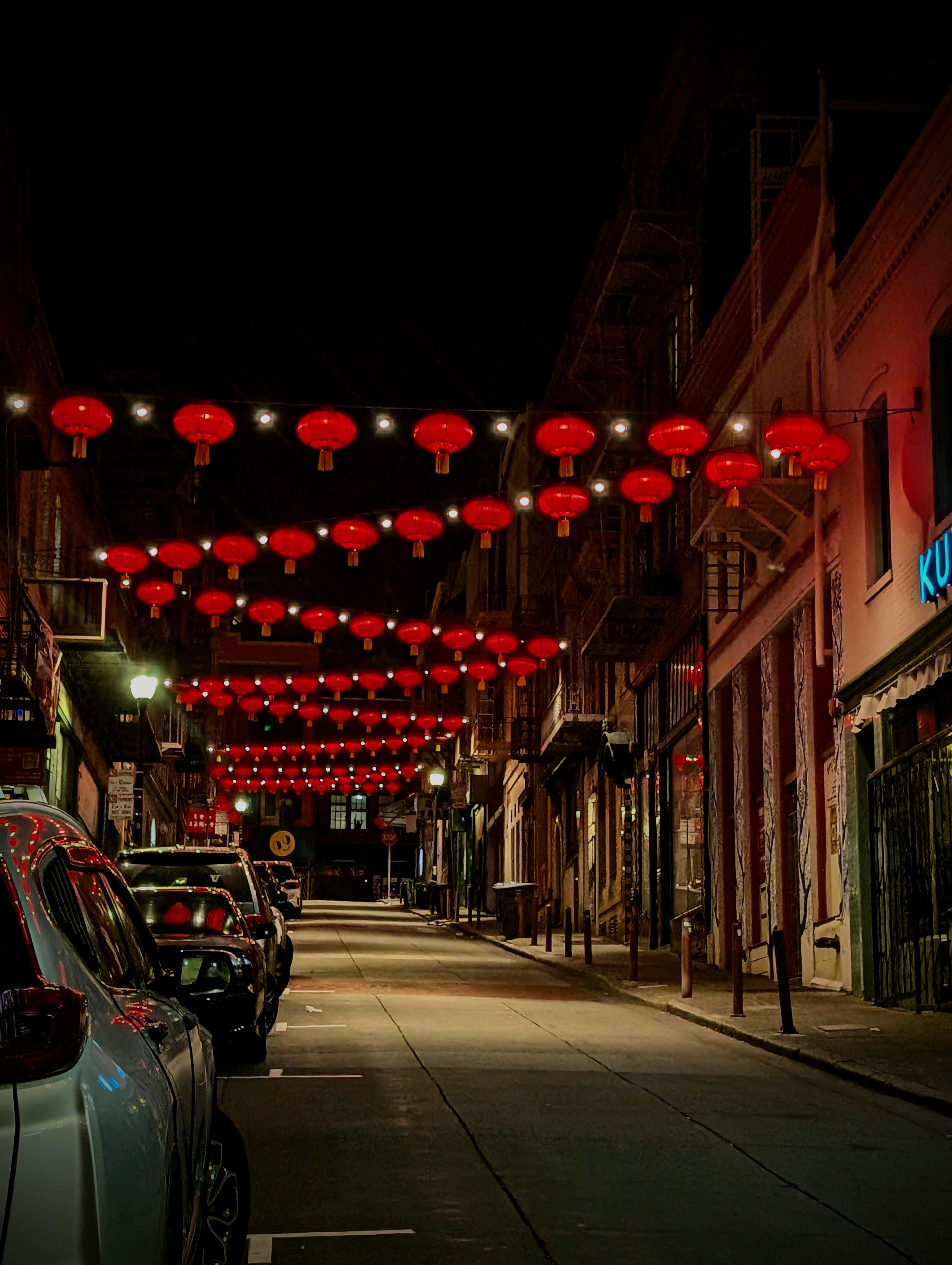 The twenty-minute walk was filled with jokes and laughter, occasional science discussions, and conversations about life in whatever city each person was from. The night was already shaping up to be fun when we realized that three different people were confidently leading us to three different restaurants. A quick round of voting and a spontaneous decision later, we kept walking.
Our chosen restaurant turned out to be a cozy little spot that, unfortunately, couldn’t fit our group of ten. So we began our search for finding somewhere with a big enough table. That search led us to Wun Tun House in Chinatown, and it couldn’t have been a better choice. Conversations and food flowed on as the evening flew past us. We were all practically strangers, meeting for the first time at BPS2026, but we chatted away as if we were old friends reuniting.
At my table were a few incredibly talented scientists whose work I had the pleasure of learning about. Daniel Bublitz and Adina Hausch, both graduate students in the Rief Lab at the Technical University of Munich, shared insights into their fascinating projects. Daniel’s poster focused on understanding the complex, hierarchical assembly of intraflagellar transport trains involved in cilia construction, using optical tweezers and confocal microscopy to track assembly and disassembly. Adina’s work explores the significance of the heterodimeric nature of kinesin-2 motors, crucial for long-range transport within cilia. Both of them use DNA tethers covalently linked to their proteins of interest, which looked like quite a challenging approach.
 I also met Viraj Ghosh, a graduate student at Rice University in the Vlassakis Lab, who presented both a poster and a talk on a new technique called Magnetic Arrayed Skyscraper Tweezers (MAST). This system enables high-throughput, flow-free single-molecule force spectroscopy, applying up to 40 pN of force to DNA or protein systems. I was able to attend Viraj's talk the following day, and he is also an excellent communicator. Also in our group was Alexander Baten from the Bricker Lab at the University of New Mexico. His poster focused on integrating L-DNA into DNA duplexes and characterizing the resulting heterochiral junctions.
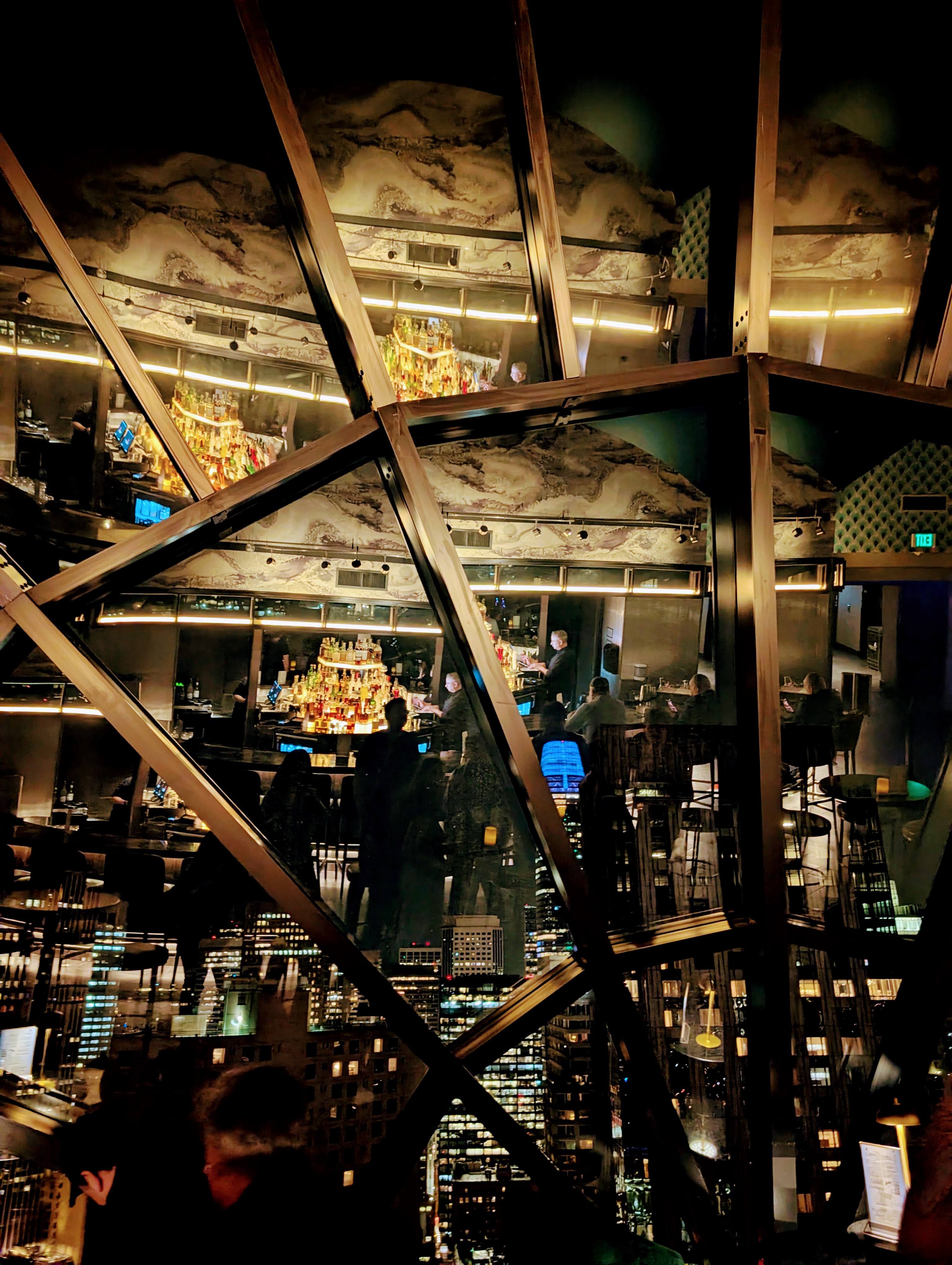
After dinner, we joined the reception where students and professors alike were on the dance floor. A few of us slipped away to the rooftop of the 39-story building to take in the San Francisco cityscape under the night sky, an unforgettable view to end the night.
As I returned to my hotel room, pleasantly tired and full of gratitude, I couldn’t help but smile. I was glad I didn’t stay in my room that evening. It didn't matter where we came from; we all found connection through science.